Honorary patronage

|
Sponsors

|

|

|

|

|

|

|

|
Author's Instructions for Accepted Contributions!!
Author's Instructions for Accepted Contributions are already available!!!
Deadline for Submitting Camera-Ready Papers:
Since PPAM 2026 took place about 2 weeks earlier than usual, we moved the deadline for submitting camera-ready versions of papers to October 16, 2026, instead of Nov. 2.
PPAM 2026 Special Award for the best paper presented at the Second PPAM Workshop on RISC-V
Based on the reviewers’ reports, the Workshop chairs decided to give this award, including 500 and 400 euros, funded in part by sponsors - Semidynamics and E4 Computer Engineering, to the papers:


PPAM Best Paper Award
The PPAM Best Paper Award is given upon recommendation of the PPAM Chairs and Program Committee in recognition of the research paper quality, originality and significance of the work in high performance computing.
The PPAM Best Paper was first awarded at PPAM 2019 in Bialystok.
PPAM 2026 Winners for Main Track
PPAM 2026 Winner for Workshops
To stimulate potential authors' interest in submitting high-quality articles to the PPAM conference, one author of each winning paper will receive a 50% discount on the conference fee for PPAM 2028.


The PPAM 2026 conference, sixteenth in a series, will cover topics in parallel and distributed processing,
including theory and applications, as well as applied mathematics. The focus will be on models, algorithms,
and software tools which facilitate efficient and convenient utilization of modern parallel and distributed
computing architectures, as well as on large-scale applications. A special attention is expected to be given
to the future of computing beyond Moore's Law, and AI/ML approaches in high performance computing.
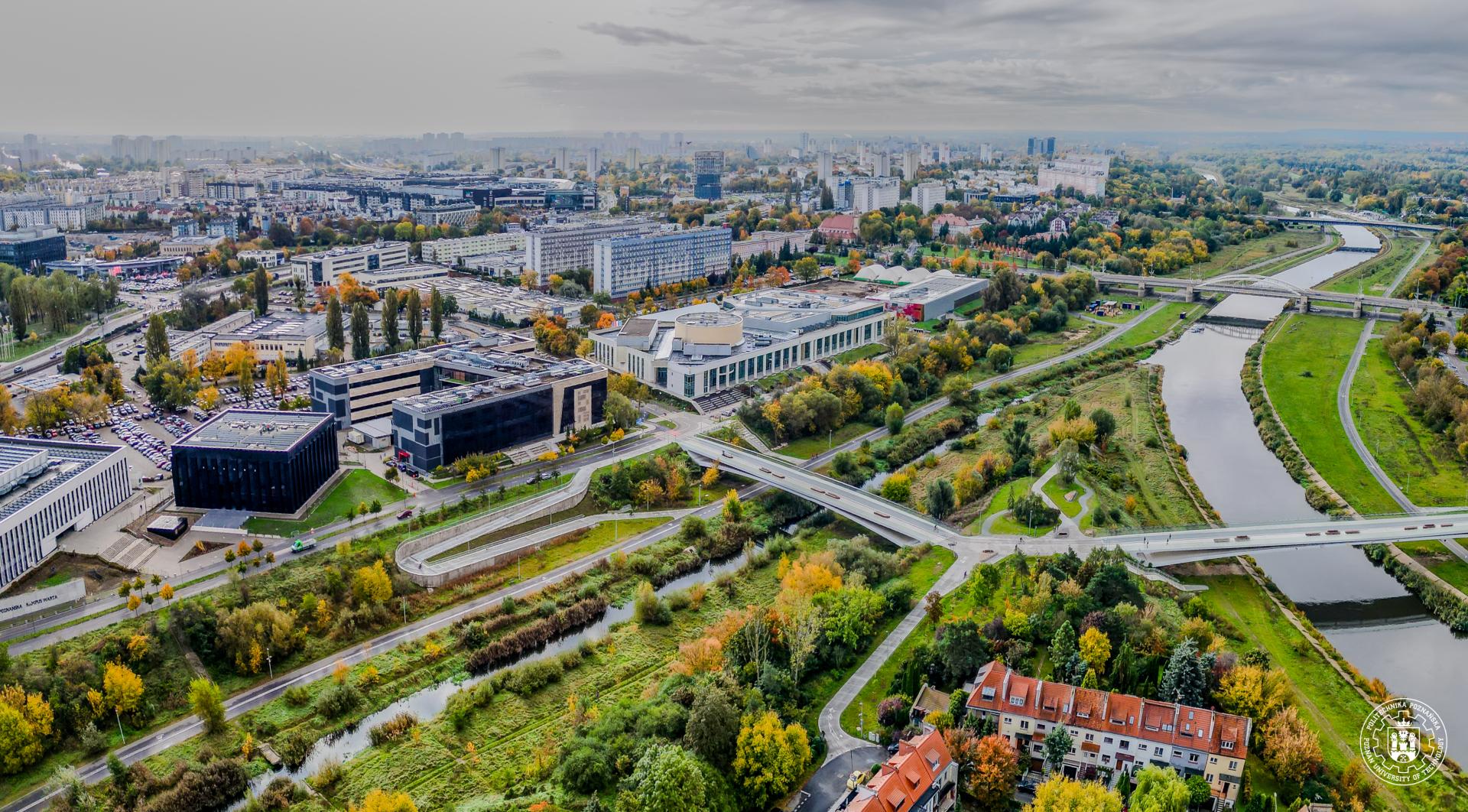
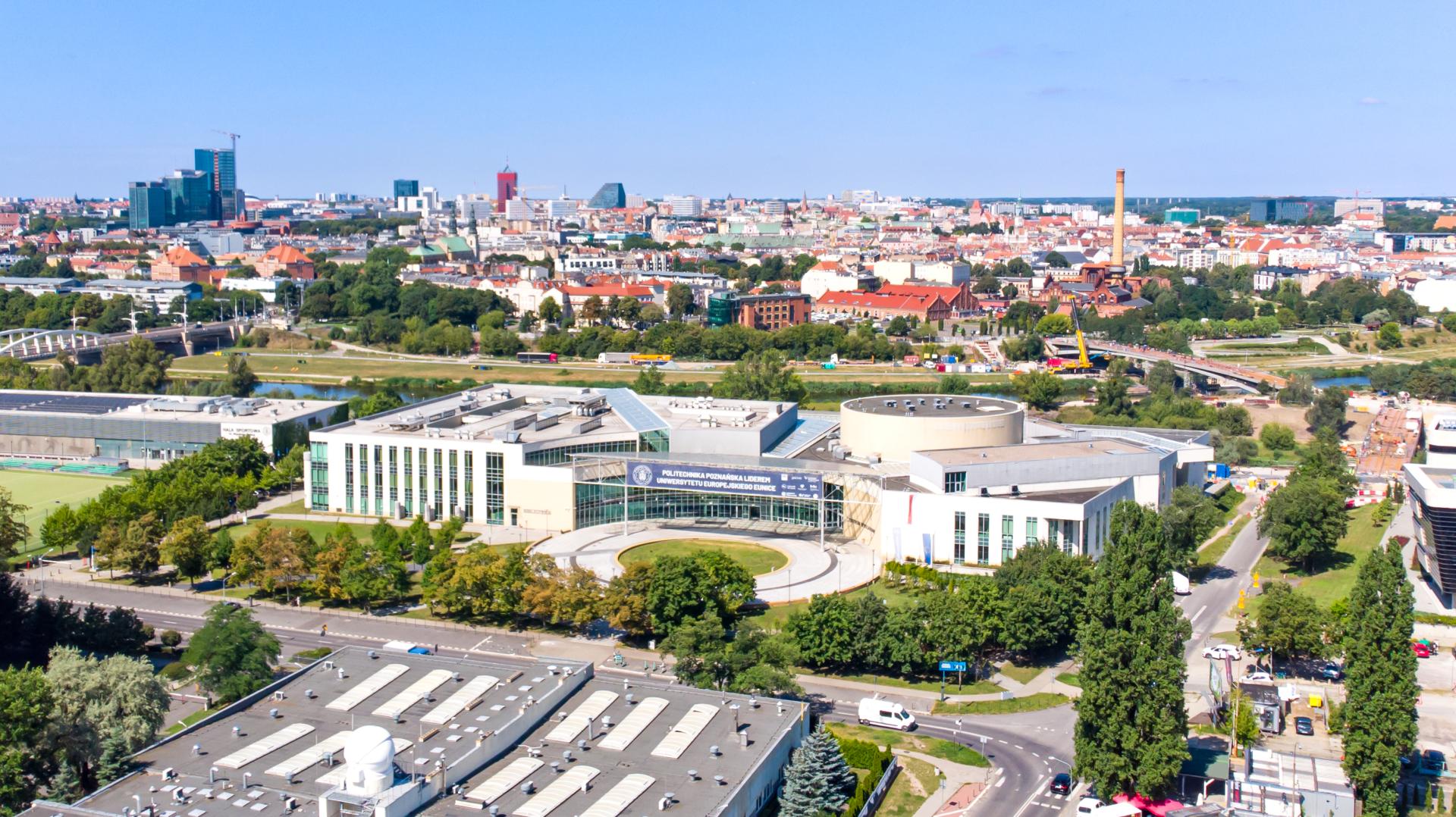
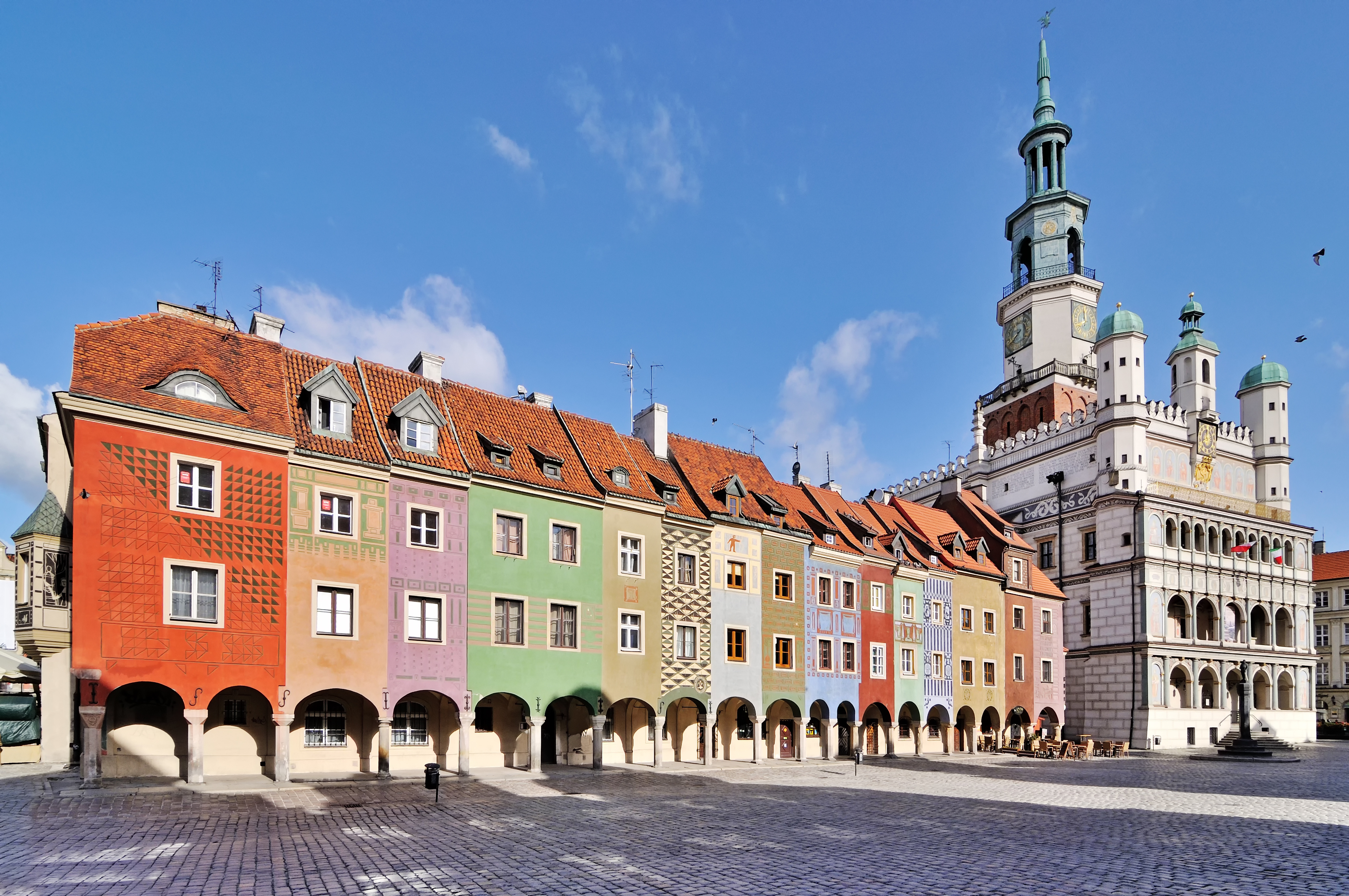
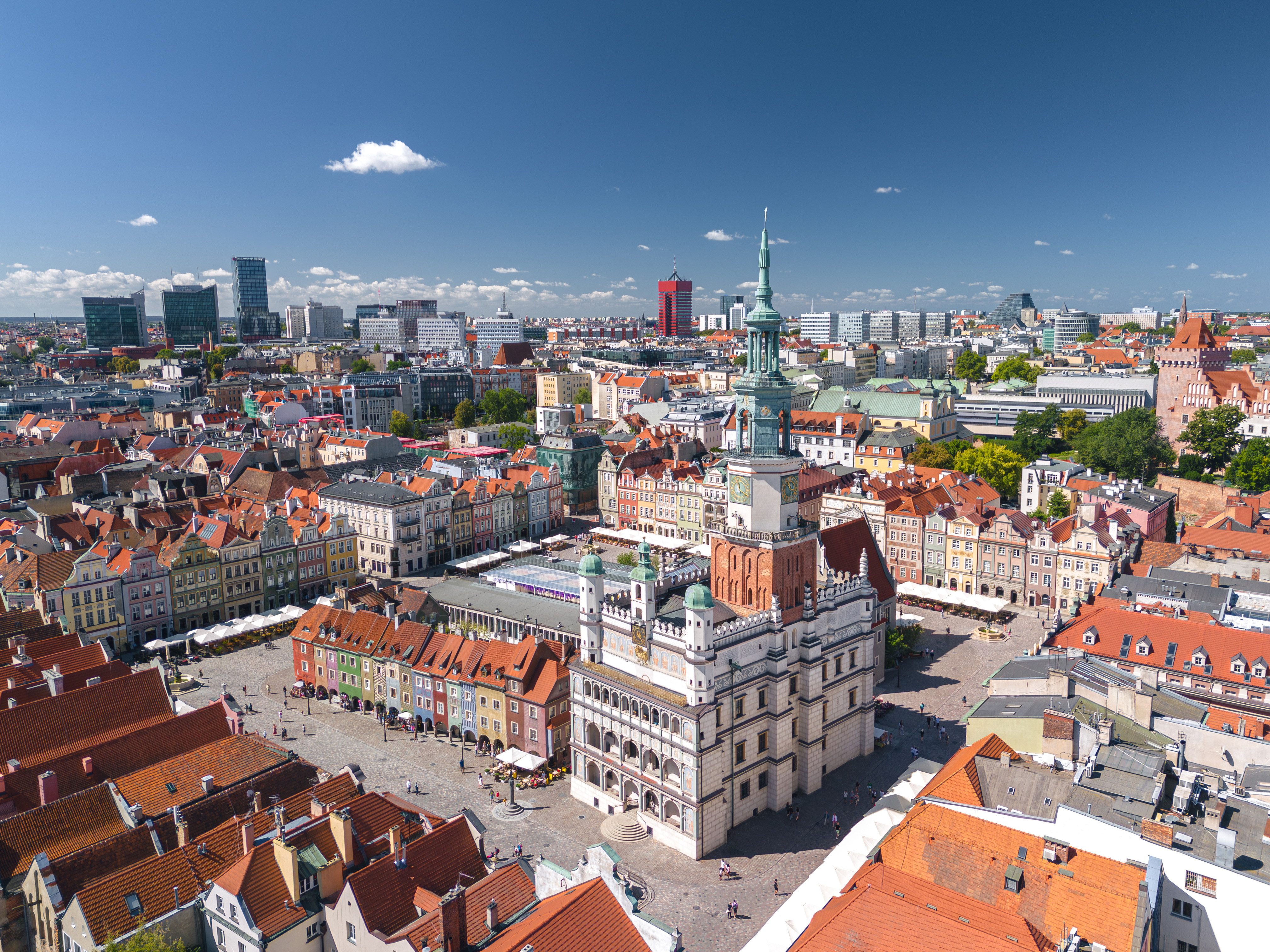
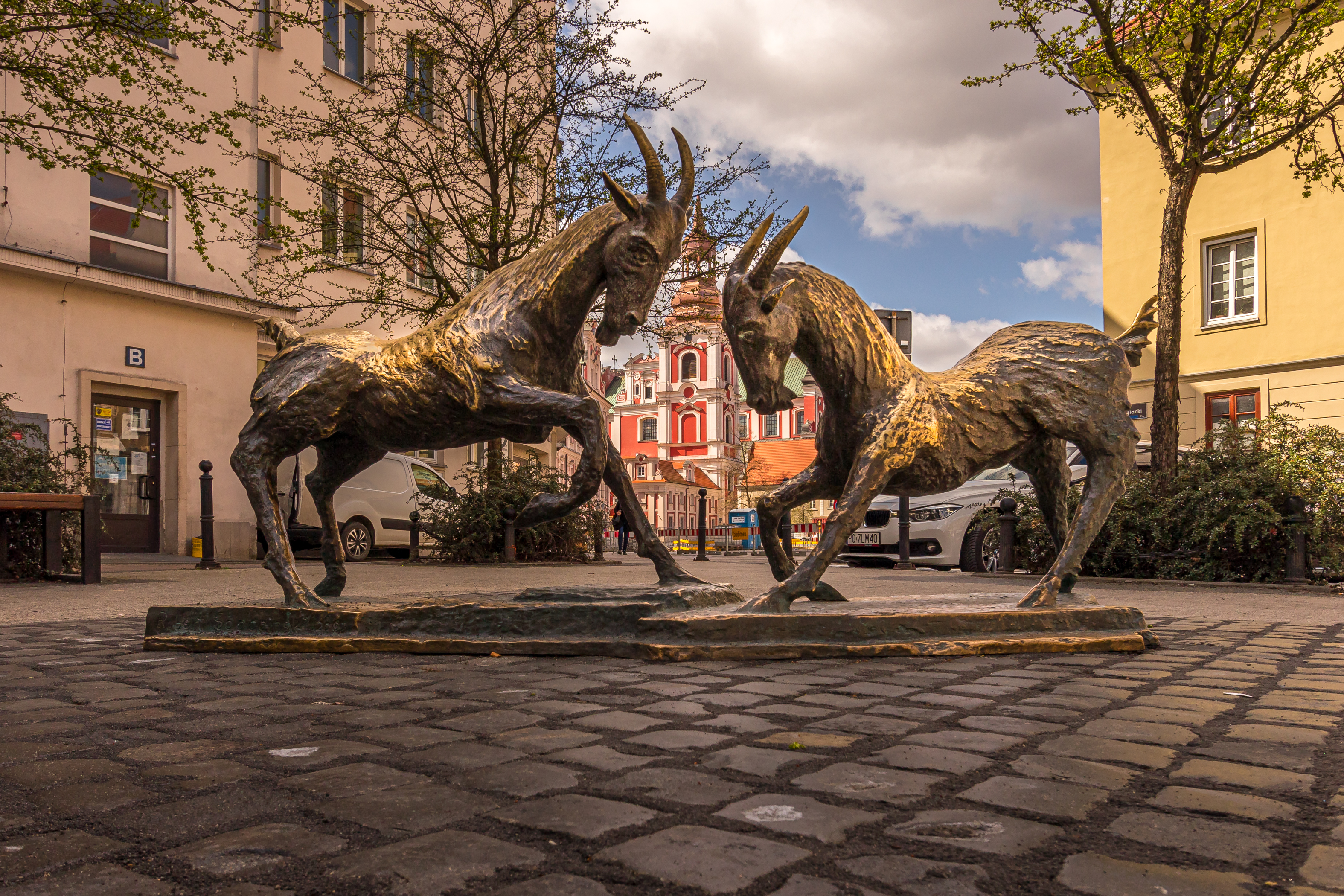
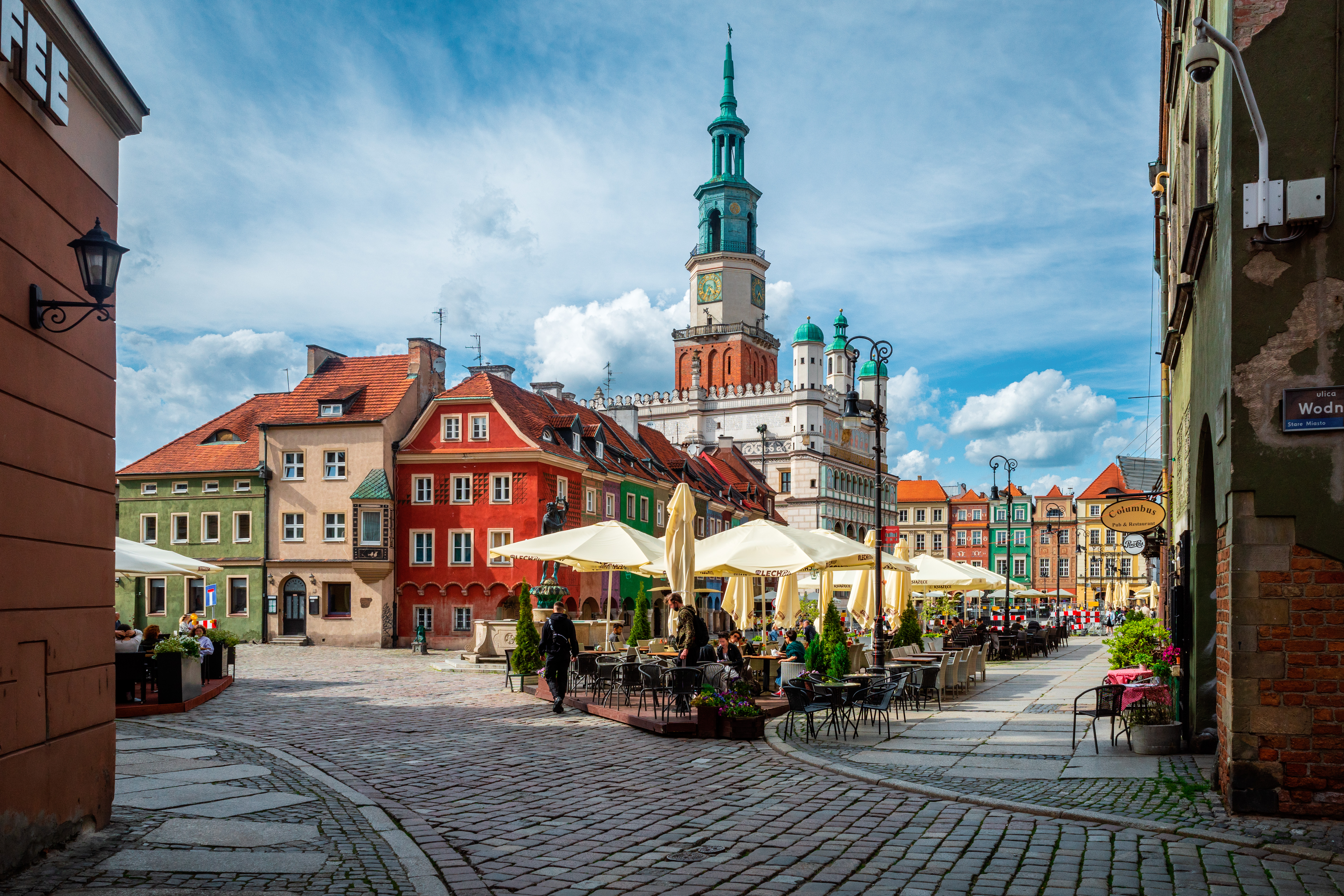
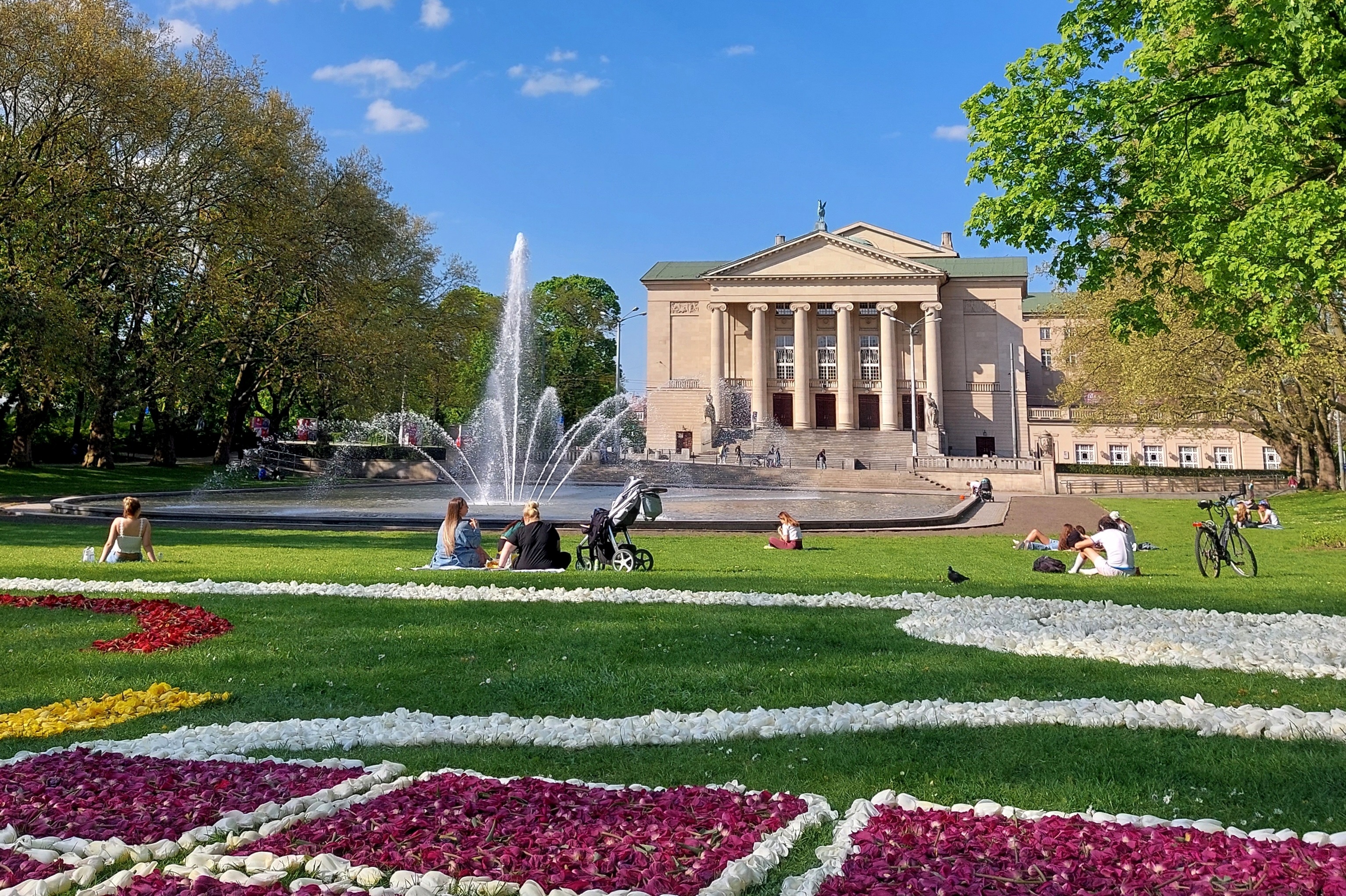
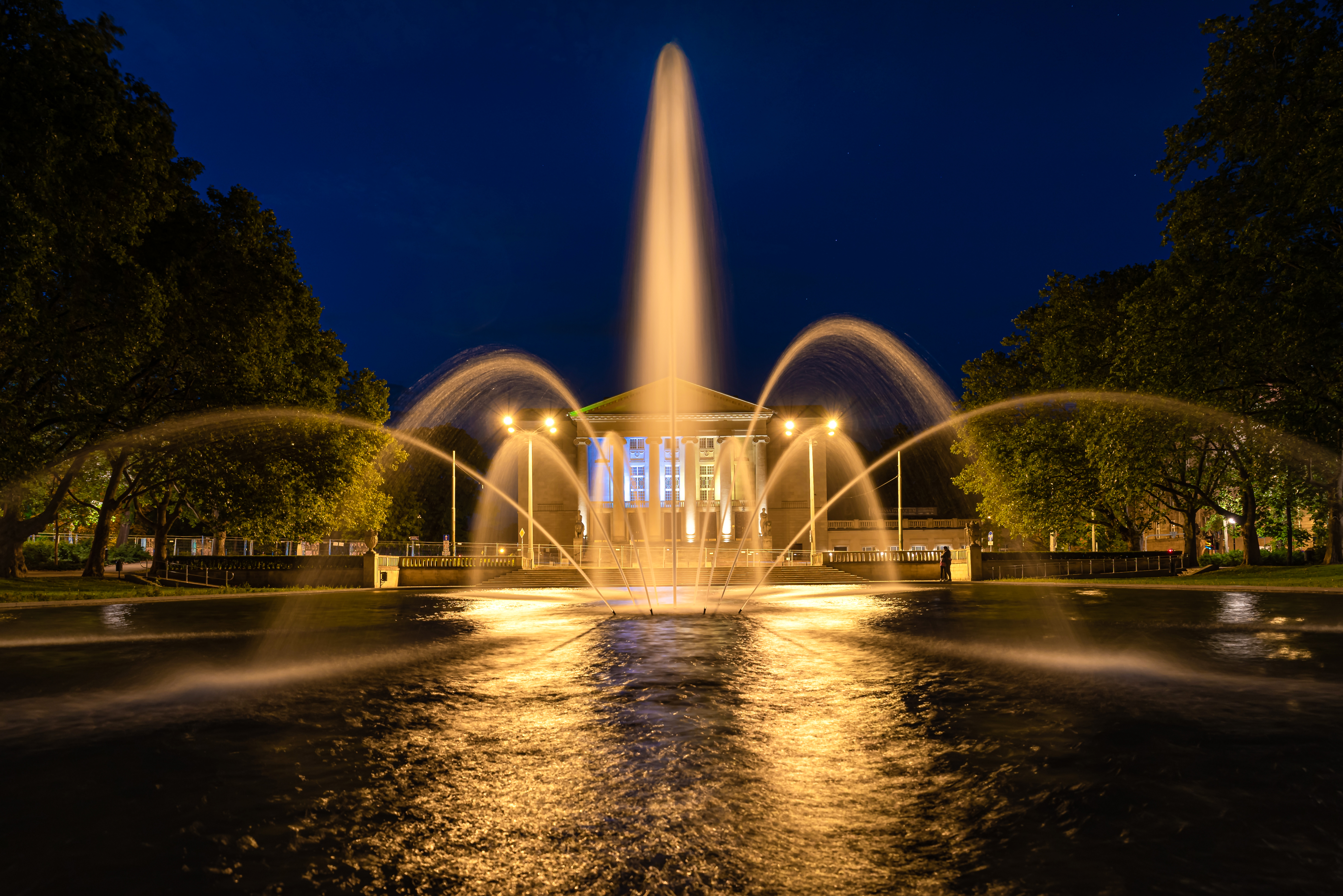
Next year, the PPAM conference is scheduled to take place in Poznan, the important industrial, academic and
cultural center in the western part of Poland, one of four historical capitals of medieval Poland.
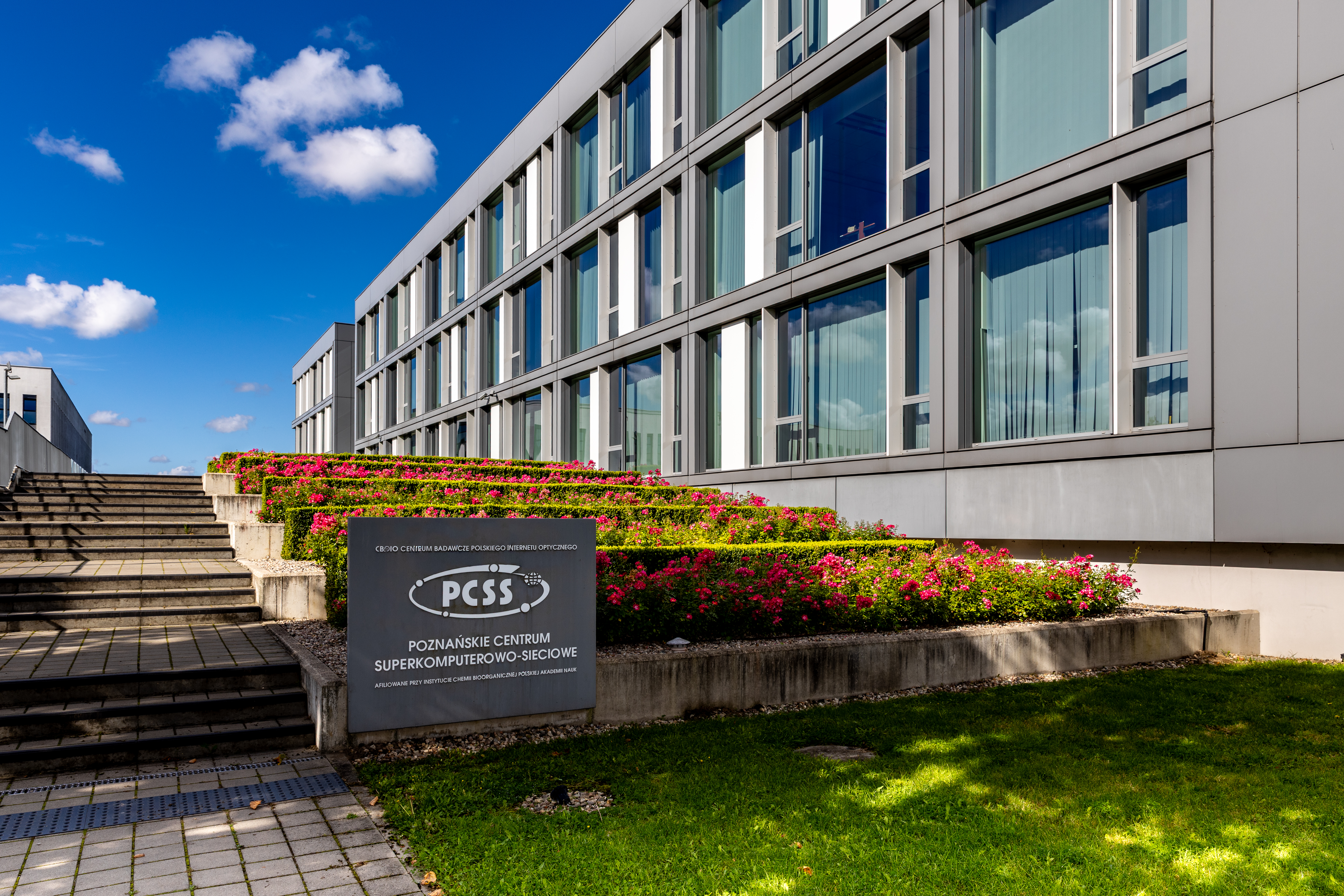
The PPAM 2026 conference is organized by the Department of Computer Science of the Czestochowa University of
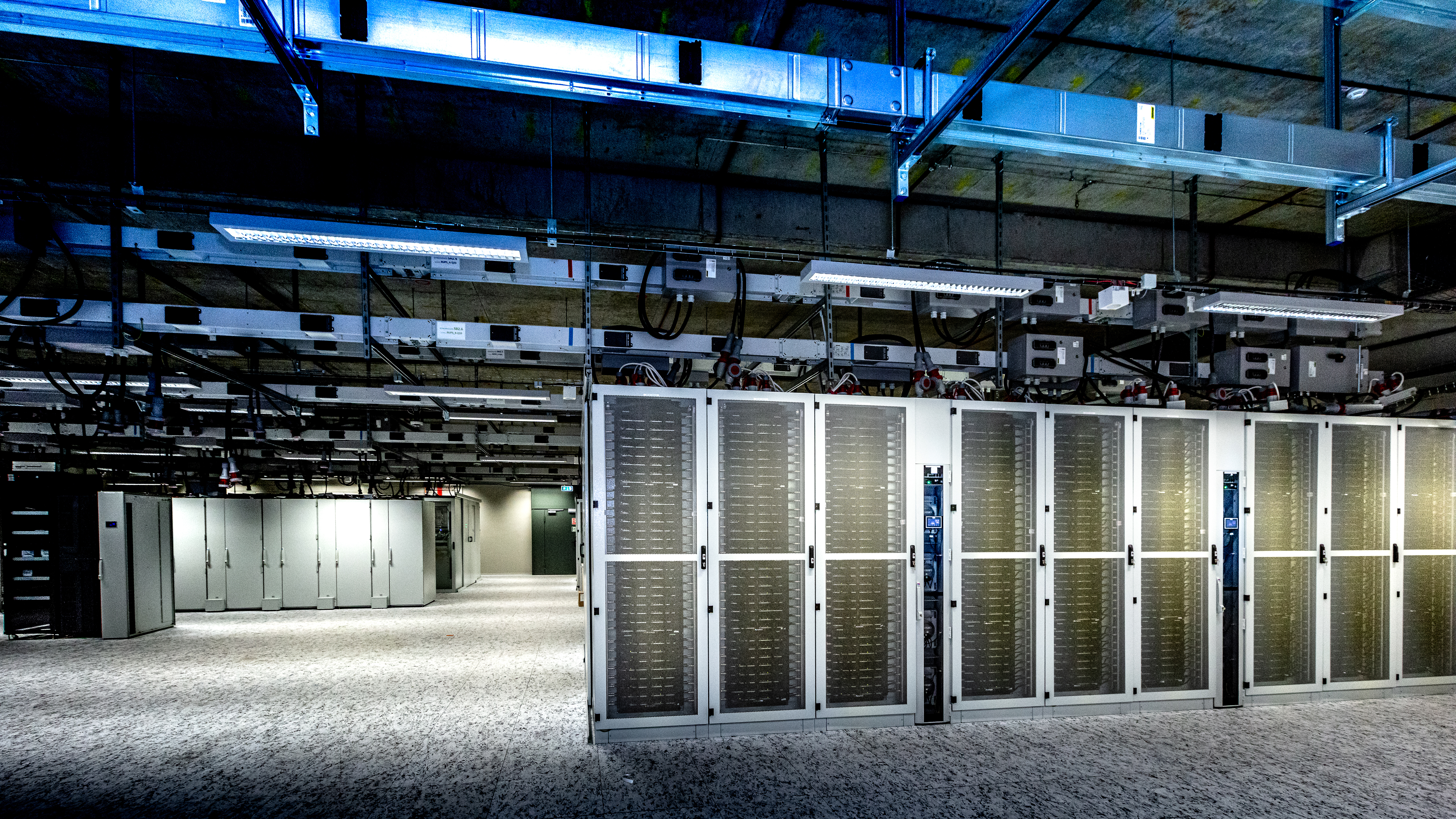
Technology together with the Poznan University of Technology, in technical cooperation with Poznań Supercomputing
and Networking Center.
PPAM is a biennial conference started in 1994, with the proceedings published by Springer in the Lecture Notes in Computer Sciences series.
The PPAM Proceedings are indexed in main databases such as Web of Science, Scopus, and DBLP.
PPAM 2026 is expected to be an in-person conference with the possibility of remote participation. However, we
strongly encourage in-person participation, as PPAM also has very compelling networking aspects and a social
and cultural program.
Travelling to Poznań
The most convenient way to travel to Poznań is by plane. Poznan airport offers frequent flights to major European hubs, including Frankfurt, Munich, Amsterdam, Zurich, and Copenhagen.
Alternatively, you can fly to Warsaw and then take a train to Poznań. According to the train schedule available at https://rozklad.pkp.pl/en, during the daytime, trains depart from Warsaw every hour, and the journey takes approximately 2.5 hours.
It is also possible to fly to Berlin and then take a train. The journey takes about 2 hours and 40 minutes.

 | Rosa Badia Barcelona Supercomputing Center, Spain "Evolution of Application Workflows: HPC, AI, and Quantum Computing" abstract |
 | Keren Bergman Columbia University, USA "Scaling Energy-Efficient AI Systems Performance with Photonic Connectivity" abstract |
 | Abhinav Bhatele University of Maryland, USA "Will AI Agents Replace Parallel Programmers and Performance Engineers?" abstract |
 | Nick Brown The University of Edinburgh,UK "RISC-V: When will we break through into mainstream HPC?" abstract |
 | Ewa Deelman University of Southern California, USA "From Workflows to AI Agents: The Evolution of Scientific Automation" abstract |
 | Jack Dongarra University of Tennessee and ORNL, USA "HPC in Transition" abstract |
 | John Gustafson Arizona State University, USA "Every Bit Counts: Posit Computing for Energy-Efficient HPC and AI" abstract |
 | Georg Hager University of Erlangen-Nuremberg, Germany "Power, energy, and TCO considerations for scientific computing and AI workloads" abstract |
 | Miron Livny University of Wisconsin, USA "Bringing HTC Approaches to AI Driven Computational Workloads" abstract |
 | Filippo Mantovani Barcelona Supercomputing Center, Spain "Beyond the ISA: Building a Usable RISC-V Vector Ecosystem for HPC" abstract |
 | Pekka Manninen CSC, Finland "Towards sovereign AI with EuroHPC supercomputers and AI Factories - case Lumi" abstract |
 | Satoshi Matsuoka RIKEN Center for Computational Science, Japan "Beyond Exascale: Turning Supercomputers into AI–Quantum Discovery Engines" abstract |
 | Martin Schulz Technical University of Munich, Germany "The Munich Quantum Software Stack: Towards a Sustainable and Open Hybrid HPCQC Stack" abstract |
 | John Shalf Lawrence Berkeley National Laboratory, LBNL, USA "A computer architects view of mixed and low precision arithmetic" abstract |
 | Bronis de Supinski Lawrence Livermore National Laboratory, USA "LLNL's Current and Future Mission-Focused Supercomputer Strategy" abstract |
 | Michela Taufer University of Tennessee, USA "Designing for Trust, Transparency, and Efficiency in Scientific Computing" abstract |
 | Jeffrey Vetter Oak Ridge National Laboratory, USA "From Gigawatt Datacenters to Productive Science: AI-Enabled Software Development for Energy-Efficient Heterogeneous Computing" abstract |
 | Ines de Vega IQM, Finland "From quantum potential to industrial impact" abstract |
 | Tobias Weinzierl Durham Universśity, United Kingdom "Modern tasking approaches to simulate black holes (and other interesting phenomena): How can we make them fit to modern hardware" abstract |
Rosa Badia Keren Bergman Jack Dongarra John Gustafson Abhinav Bhatele Nick Brown Georg Hager Filippo Mantovani Satoshi Matsuoka Miron Livny Martin Schulz Ewa Deelman John Shalf Bronis de Supinski Michela Taufer Jeffrey Vetter Ines de Vega Tobias Weinzierl
CHAIR OF PROGRAM COMMITTEE
Czestochowa University of Technology, Poland
Roman Wyrzykowski received the MSc and PhD degrees from Kiev Polytechnic Institute in Computer Science, in 1982 and 1986, respectively. Since 1982, he is employed at Czestochowa University of Technology, Poland, where currently, he is a Full Professor in the Department of Computer Science. His fields of expertise are: parallel and distributed computing, cloud and edge technologies, HPC co-design technologies, performance modeling and optimization, parallel computing applications, accelerating fluid dynamic simulation with machine learning methods, etc. Since 1994, he has chaired the program committee of the PPAM series of international conferences on parallel processing and applied mathematics. He is an IEEE Senior Member and member of ACM.

CO-CHAIR OF PROGRAM COMMITTEE
University of Southern California, USA
Ewa Deelman received her Ph.D. in Computer Science from Rensselaer Polytechnic Institute. After a postdoctoral appointment at UCLA, she joined the University of Southern California’s Information Sciences Institute, where she is now a Research Director leading the Science Automation Technologies Center and a Research Professor in the USC Computer Science Department.
She is an AAAS, IEEE, and USC/ISI Fellow. Her research contributions have been recognized with the HPDC and the Euro-Par Achievement Awards. In 2025 Dr. Deelman received the Sidney Fernbach Memorial Award for her work in workflow-based parallel and distributed computing.